Anxiety Relief Bundle: 10-Minute Calm Routine & Checklist
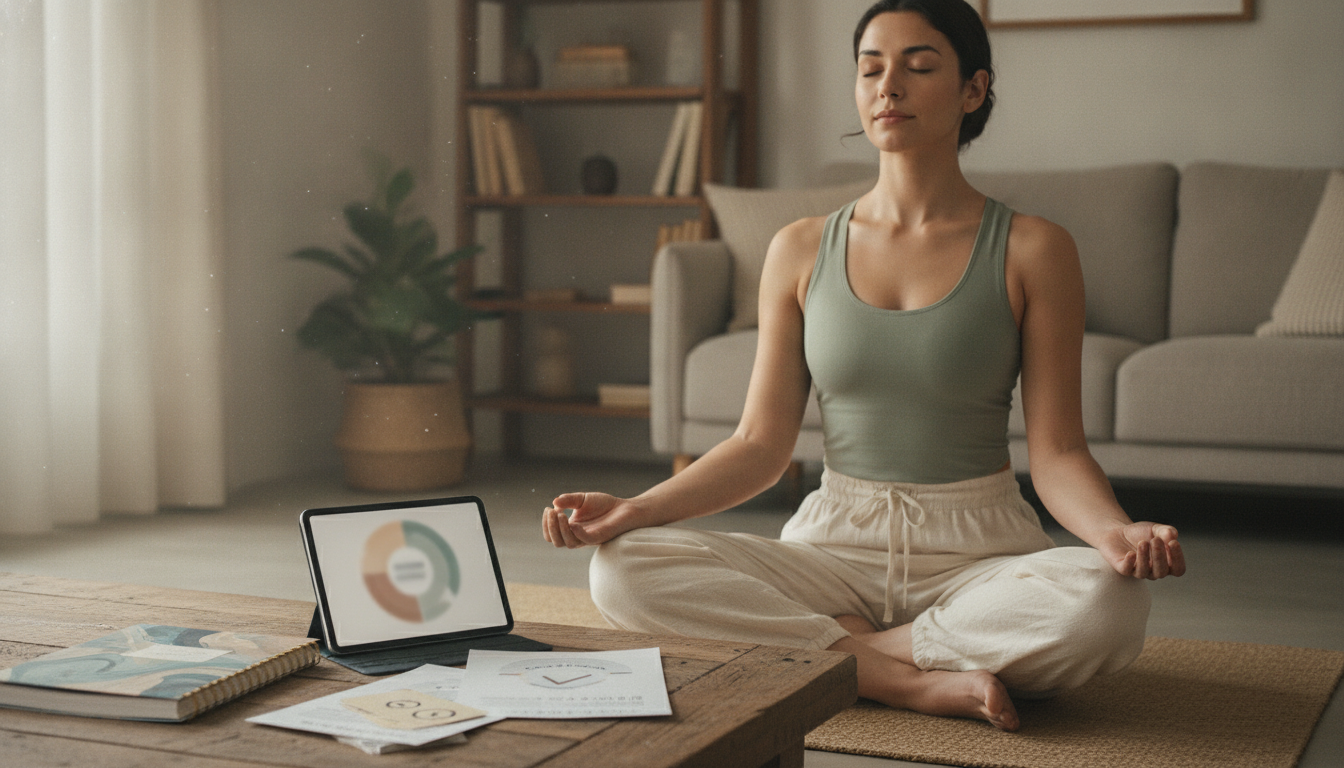
The Anxiety Relief Bundle: A Path to Calm
Anxiety can feel unpredictable—racing thoughts, tension in the body, and a constant sense of urgency. A practical way to regain steadiness is to combine small, repeatable skills into a simple routine. The The Anxiety Relief Bundle: A Path to Calm brings together mindfulness exercises, positive-thinking prompts, a printable checklist, and a course-style outline so calm-building becomes clear, structured, and easier to practice consistently.
When stress spikes, the hardest part is often deciding what to do next. A ready-to-use set of tools can lower that “spinning” feeling by offering a few grounded options—rather than asking you to invent a plan while your nervous system is already on high alert.
What’s inside the 4-in-1 bundle
- Mindfulness exercises designed for short, repeatable practice when stress spikes or when starting the day.
- Positive thinking tools that focus on reframing unhelpful thoughts into more balanced, realistic alternatives (not forced optimism).
- Printable checklist to turn coping skills into a daily plan that can be tracked and adjusted.
- Course outline that organizes the materials into a step-by-step progression, making it easier to build skills in sequence.
- Best fit for people who prefer structured guidance and quick prompts instead of searching for techniques in the moment.
Bundle components at a glance
| Component | What it helps with | When to use it |
|---|---|---|
| Mindfulness exercises | Lowering body tension and interrupting spirals | Morning reset, mid-day break, before sleep |
| Positive thinking prompts | Challenging catastrophic or self-critical thoughts | After a trigger, during worry loops |
| Printable checklist | Consistency and accountability | Daily planning, weekly reflection |
| Course outline | Building skills progressively | Self-paced learning over days or weeks |
How the bundle supports a calmer nervous system
Anxiety often shows up as a full-body experience: tight shoulders, shallow breathing, restless energy, and a mind that keeps scanning for what could go wrong. A multi-tool approach can help because it addresses both the physical “alarm” and the mental loop that keeps feeding it.
- Mindfulness practices can reduce reactivity by shifting attention from threat-focused thoughts to present-moment cues (breath, senses, posture).
- Structured thought prompts support cognitive flexibility: noticing thought patterns, labeling them, and generating alternative interpretations.
- Checklists reduce decision fatigue during anxious moments by offering pre-selected actions (drink water, step outside, short breathing drill).
- A course format encourages repetition—often the key factor in turning coping strategies into habits.
- Using multiple tools together helps address both physical symptoms (tension, restlessness) and mental symptoms (rumination, catastrophizing).
For background on anxiety and common symptoms, the National Institute of Mental Health and the American Psychological Association offer clear, evidence-informed overviews. For mindfulness basics, see the NCCIH resource on meditation and mindfulness.
A simple 10-minute daily routine (use as a starting template)
Consistency beats intensity. A short routine that you actually repeat is more calming over time than a “perfect” plan that’s too hard to start.
- Minute 1–2: Grounding scan—notice five things seen, four felt, three heard, two smelled, one tasted (or a simplified version).
- Minute 3–6: Breath-based practice—slow, steady breathing with relaxed jaw and shoulders; keep attention on exhale length if comfortable.
- Minute 7–9: Thought check—write the worry in one line, then add one balanced response (evidence for/evidence against, or a more neutral reframe).
- Minute 10: Checklist pick—choose one small action that signals safety to the body (stretch, brief walk, hydration, music, tidy a small area).
- If anxiety is intense, shorten the routine to a single step: one mindfulness exercise or one checklist action is still progress.
For some people, sound helps anchor the routine. A steady playlist, nature audio, or a calming timer tone can make it easier to follow through—especially if you keep the setup simple with a small device like the 20W Portable Bluetooth Speaker.
Using the printable checklist to stay consistent (without perfectionism)
- Marking off small actions builds momentum; aim for “good enough” completion rather than full completion every day.
- Set a minimum viable plan: one mindfulness exercise + one supportive action (sleep hygiene, movement, or a short reflection prompt).
- Track patterns instead of grades: note what helps most (time of day, location, specific exercises) and repeat the highest-impact items.
- Include a “reset option” for hard days: pick one quick tool and one soothing activity to reduce guilt-driven avoidance.
- Review weekly: keep what worked, replace what felt forced, and adjust difficulty to match current stress levels.
If work pressure is a major driver of anxiety, pairing calming skills with a practical plan can reduce the background stress that keeps your body activated. A structured resource like the Step-by-Step Career Development Guide can support next-steps planning so worries don’t stay vague and endless.
Positive thinking that stays realistic
Who this bundle is for (and who may need more support)
What to expect in the first week
If you want a ready-made structure to begin, the Anxiety Relief Bundle organizes the pieces so you can practice without overthinking the process.
FAQ
How quickly can anxiety skills start to help?
Some people notice a small shift after a single calming practice, especially with breathing or grounding. More lasting change usually comes from repetition over days or weeks, so short daily sessions and a quick check-in on what works best tend to be most effective.
Is positive thinking the same as ignoring problems?
No—healthy reframing is realistic and evidence-based. It acknowledges what’s hard while reducing catastrophic interpretations and focusing attention on the next helpful step you can take.
Can this be used alongside therapy or medication?
Yes, skill-building tools often complement professional care by supporting daily coping between appointments. If symptoms are severe or treatment is ongoing, it’s wise to discuss changes and goals with a qualified clinician.





Leave a comment