AI Diet Planning for Beginners: Meals, Tracking & Motivation
Harnessing AI to Transform Your Diet: A Beginner-Friendly Digital Guide for Healthier Eating
Healthy eating can feel like a full-time job: planning meals, shopping, cooking, tracking, and still trying to stay consistent when life gets hectic. AI can make the process feel lighter by turning goals into clear daily actions—suggesting meals that fit your preferences, organizing your grocery list, and helping you spot patterns that affect your results. The key is using AI as a practical nutrition assistant, not a strict rulebook or a replacement for professional medical advice.
Why AI Works So Well for Healthy Eating (When Used the Right Way)
AI is especially helpful when your goal is simple but the execution is messy. “Eat healthier” can mean a thousand different things depending on schedule, budget, cooking skills, and stress levels.
- It turns broad goals (lose weight, build muscle, improve energy) into repeatable actions like “protein at breakfast” or “vegetables at dinner.”
- It reduces decision fatigue by generating meal ideas around your preferences, time, and cooking ability.
- It supports consistency by helping you track patterns over time (late-night snacking, missed lunches, low-protein days).
- It can troubleshoot plateaus by adjusting portions, protein/fiber balance, and meal timing—one change at a time.
- It works best as a guide and organizer, not as medical advice. For nutrition basics, resources like USDA MyPlate and the Dietary Guidelines for Americans provide solid reference points.
A Simple Setup: What to Tell an AI Nutrition Planner So It Can Help
AI is only as useful as the context you give it. A quick “make me a meal plan” often produces meals that look great on paper but collapse in real life. Instead, start with a short intake you can reuse whenever your routine changes.
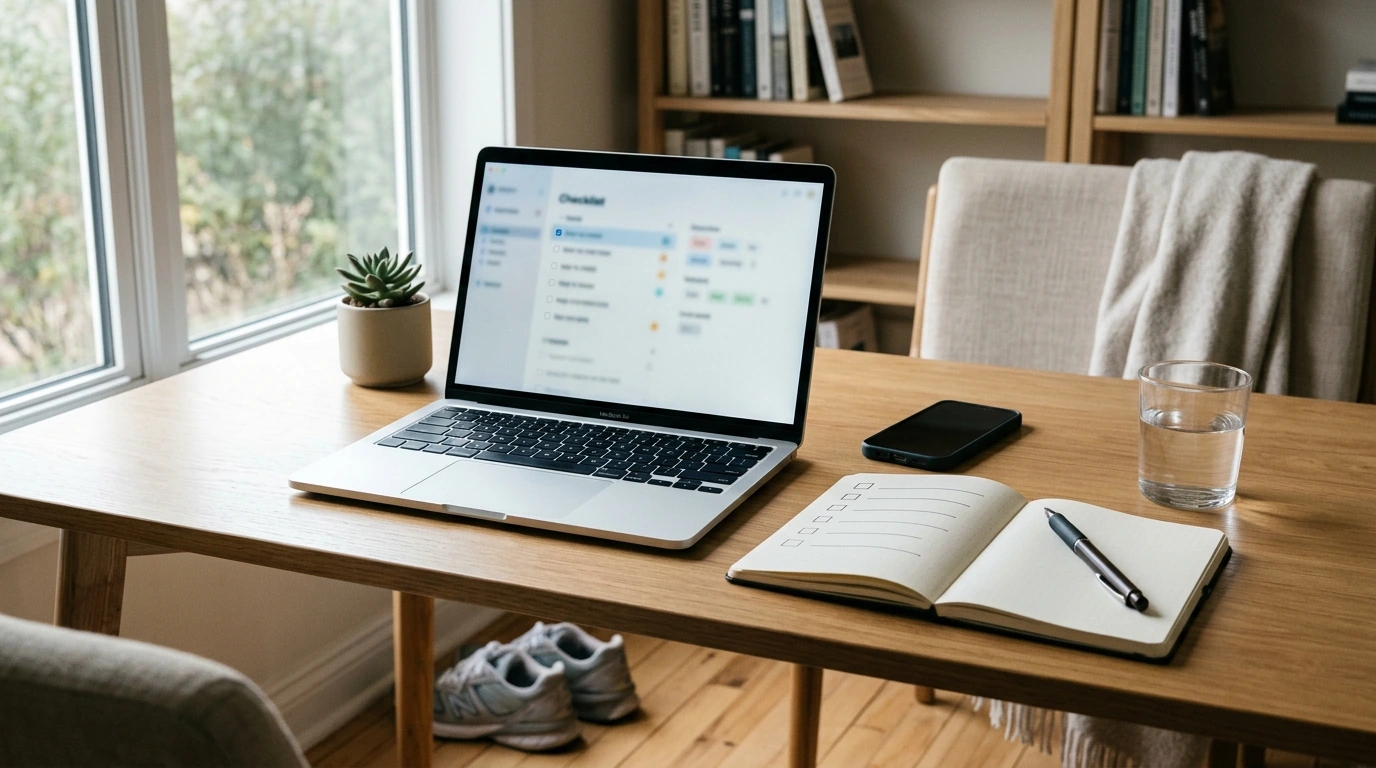
Quick AI Intake Checklist (Copy/Paste)
| Category | Examples to Provide |
|---|---|
| Goal | Lose 0.5 lb/week; improve energy; reduce added sugar |
| Preferences | Mediterranean style; likes chicken, beans; dislikes mushrooms |
| Constraints | Budget $70/week; 20 minutes cooking max on weekdays |
| Health notes | High blood pressure; needs higher fiber; check with clinician if needed |
| Schedule | Gym Tue/Thu; lunch at desk; late meetings Wed |
- Share a realistic goal and timeline (maintenance, gradual fat loss, muscle gain, better energy).
- List dietary preferences and limits (allergies, vegetarian, halal/kosher, lactose-free, budget).
- Describe your routine (work hours, commute, training schedule, typical meal times).
- Note cooking constraints (microwave-only, 15-minute meals, batch cooking on weekends).
- Include “non-negotiables” (favorite foods, planned takeout nights, a daily latte).
Meal Planning That Fits Real Life: From Pantry to Weekly Menu
Beginners do best with a plan that repeats on purpose. Repetition reduces stress, lowers grocery costs, and makes healthy eating feel automatic.
- Start with a structure you can repeat: 2–3 breakfasts, 3–4 lunches, 4–6 dinners, and flexible snacks.
- Use AI to generate a shopping list that matches your portions and reduces food waste.
- Ask for mix-and-match templates: protein + fiber-rich carb + vegetables + healthy fat.
- Request busy-day alternatives: no-cook meals, freezer meals, and convenience-store combos.
- Build in enjoyment: planned treats and restaurant strategies beat all-or-nothing rules.
For example, a “mix-and-match” dinner could look like: rotisserie chicken (protein) + microwavable brown rice (fiber-rich carb) + bagged salad (vegetables) + olive oil vinaigrette or avocado (healthy fat). It’s not fancy, but it’s consistent.
Meal Tracking Without Obsession: What to Track (and What to Ignore)
Tracking should teach you something, not punish you. The most useful approach is the one you’ll still do during a stressful week.
- Use tracking to learn patterns: hunger timing, protein/fiber consistency, and trigger situations.
- Choose a method: photo logging, quick notes, barcode/app logging, or portion estimates.
- Prioritize a few metrics: protein servings, fruits/vegetables, water, and meal timing consistency.
- Create “minimum viable tracking” rules for chaotic weeks (for example: track dinners only).
- Review trends weekly, not hourly. Most progress comes from consistency over time.
If you want a simple baseline, the World Health Organization’s healthy diet guidance offers helpful guardrails around balance, fruits/vegetables, and limiting added sugars and excess salt.
Motivation Tips Powered by AI: Staying Consistent When Life Gets Busy
Motivation is unreliable; systems are dependable. AI can support systems that keep you moving even when your schedule changes.
Common Beginner Mistakes (and Better AI Prompts to Fix Them)
What’s Inside the Digital Guide and Who It’s For
If you want a clearer, step-by-step path, Harnessing AI to Transform Your Diet – Digital Guide is built for beginners who want structure without complicated rules.
To support your routine beyond nutrition, these in-stock items can be useful companions for day-to-day consistency: a reliable 120W Fast Charging Power Bank 50000mAh for long workdays and travel, or a 20W Portable Bluetooth Speaker for workouts, walks, and meal-prep sessions.
Safety, Accuracy, and Privacy: Using AI Responsibly
Getting Started in 20 Minutes
FAQ
Can AI create a meal plan that matches my budget and food preferences?
Yes—share your weekly budget, foods you like and dislike, cooking time limits, and your schedule so the plan matches real life. You can also ask for cheaper substitutions (beans, frozen veggies, eggs) and repeatable meals to reduce waste and cost.
Do I need to count calories for AI to help me eat healthier?
No. Many people do well using portion templates, protein/fiber targets, and simple photo or note logging to stay consistent. Calorie tracking can be useful for short periods if you need more precision, but it’s not required for building better habits.
Is it safe to follow AI nutrition advice if I have a health condition?
It’s safest to consult a clinician or registered dietitian for medical guidance, especially if you manage conditions like diabetes, high blood pressure, or food allergies. AI can still help with meal ideas and organization, but medical constraints (like sodium or carbohydrate targets) should be verified.




Leave a comment