Mirror Your Mind: 10-Min Self-Reflection Checklist + AI

Mirror Your Mind: A Simple Self-Reflection Checklist for Mindful Living With AI Support
Self-reflection gets easier when it’s structured, repeatable, and gentle. Mirror Your Mind is a digital checklist designed to help track patterns, clarify values, and turn vague feelings into actionable next steps—optionally with AI as a thinking partner for deeper, calmer introspection.
What “Mirror Your Mind” is and who it helps
Mirror Your Mind is a digital self-reflection checklist built for real life: quick daily check-ins when you’re busy, and deeper weekly reviews when you want perspective. It supports mindful living by guiding your attention to emotions, habits, boundaries, and priorities—without requiring perfect journaling skills.
It’s especially useful if reflection tends to look like any of these:
- You journal inconsistently and want a simple structure that still creates insight over time.
- You overthink but don’t land on clarity or a next step.
- You want a values-aligned routine that feels calm, not intense.
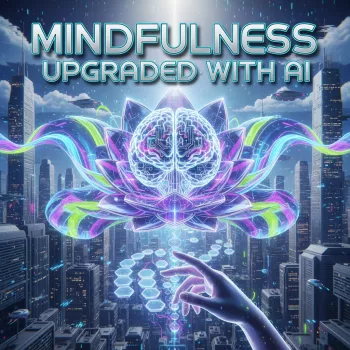
There’s also an AI-assisted option: you can paste your brief answers into an AI tool to get themes, reframes, and possible next actions. The point isn’t to outsource your voice—it’s to make it easier to hear it.
If you’d like to start with a ready-to-use template, Mirror Your Mind: A Self-Reflection Checklist (Digital Download) is designed to be lightweight, repeatable, and easy to revisit.
What’s inside the checklist
The checklist is built around a few core categories that tend to shape daily life—whether you’re thriving or running on fumes.
- Mood and energy scan to notice emotional patterns early (before they become a full week).
- Values check to see whether recent choices match what matters most.
- Stress and triggers review to separate facts, interpretations, and assumptions.
- Relationship and boundary review to spot resentment, avoidance, or unmet needs.
- Progress and gratitude prompts to balance growth with self-compassion.
- Next-step micro-plan for a realistic action in the next 24–72 hours.
Self-reflection is commonly described as the act of examining your thoughts, feelings, and behaviors to better understand yourself and your actions; the American Psychological Association’s definition offers helpful grounding for what “counts” as reflection and why it matters (APA Dictionary of Psychology: self-reflection).
How to use the checklist in 10 minutes a day
Consistency matters more than depth. Ten minutes is enough to build a reliable feedback loop—especially when the questions stay the same and your answers get clearer through repetition.
- Pick a consistent time (after coffee, lunch break, or before bed) and set a 10-minute timer.
- Answer quickly and honestly. Aim for “true enough,” not perfectly worded.
- Circle one repeating theme (sleep, conflict, procrastination, fear, loneliness) and keep it visible for the day.
- Choose one friction-reducing action (send one message, take a 10-minute walk, prep tomorrow’s top task).
- End with a self-compassion line: a kind, realistic statement about your current season.
To support a mindful routine, many people pair reflection with brief mindfulness or meditation practices. For a practical overview of effectiveness and safety, the National Center for Complementary and Integrative Health offers a balanced research-based summary (NCCIH: Meditation and Mindfulness).
Using AI for introspection without losing your voice
AI question templates to pair with the checklist
| Goal | What to ask | What to do with the answer |
|---|---|---|
| Spot patterns | “Summarize the main themes in these notes and list 3 recurring triggers.” | Pick one trigger to address this week; track it daily. |
| Challenge a story | “List 3 alternative interpretations of this situation, and what evidence supports each.” | Choose the most balanced interpretation; plan one clarifying conversation or action. |
| Set boundaries | “Suggest 5 boundary statements that are kind, direct, and specific for this scenario.” | Select one sentence and rehearse it; send it or say it within 48 hours. |
| Make a micro-plan | “Turn my next step into a 15-minute starter task and a backup plan if motivation is low.” | Do the starter task immediately; schedule the next block. |
A weekly review that actually leads to change
If you’re pairing reflection with broader life planning, a structured guide can make next steps feel more doable. The Step-by-Step Career Development Guide (Ebook) can complement your weekly review by turning insight into concrete professional goals.
Common sticking points and simple fixes
For many people, writing—even briefly—improves clarity and emotional processing over time. The APA has also highlighted how journaling can support mental well-being and self-understanding (American Psychological Association: The power of journaling).
Download and start: a lightweight routine for mindful living
To make the routine easier to stick with, consider setting up a small “reflection kit”: your digital checklist, a quiet playlist, and a reliable charging solution so your device is ready when you are. If you’re often reflecting on the go, a 120W Fast Charging Power Bank 50000mAh can help keep your routine uninterrupted.
FAQ
How often should the checklist be used?
Daily use for 5–10 minutes builds awareness, and a weekly 30–40 minute review helps you spot patterns and choose changes. On busy days, do a 2-minute version: mood/energy, one priority, and one next step.
Can AI help with self-reflection without replacing therapy?
AI can support reflection by summarizing notes, offering alternative interpretations, and helping you plan small next actions, but it isn’t therapy and can’t provide diagnosis or crisis support. If you’re dealing with persistent distress or safety concerns, professional help is the appropriate next step.
What should be avoided when sharing reflections with AI?
Avoid sharing identifying details (full names, addresses, phone numbers), highly sensitive personal data, and private information about other people. Generalize scenarios and focus on emotions, behaviors, choices, and what you want to do next.






Leave a comment