450ml Portable Ultrasonic Cleaner: Jewelry, Glasses, Brushes
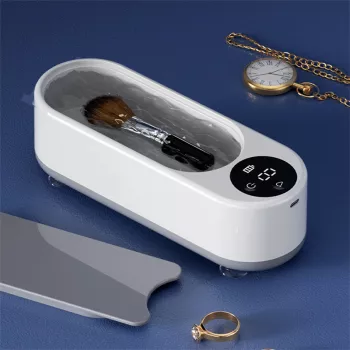
Portable Ultrasonic Cleaning: A Simple Upgrade for Everyday Items
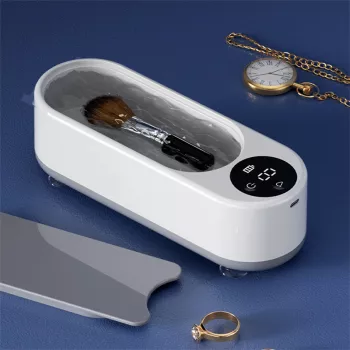
A portable ultrasonic cleaner is a small countertop tool that helps lift away grime from everyday essentials using high-frequency vibrations in water. With a 450ml tank, it’s sized for routine home touch-ups—helping restore clarity to glasses, brighten jewelry, and refresh makeup tools without aggressive scrubbing. For anyone dealing with skin oils on rings, makeup residue in brush bases, or dust caught in frame hinges, ultrasonic cleaning can make regular maintenance faster and more consistent.
What Makes an Ultrasonic Cleaner Useful at Home
Many items look clean on the surface but hold buildup in tight seams: chain links, prong settings, hinge joints, and the ferrule area of brushes. Ultrasonic cleaning is valuable because it tackles those micro-crevices with minimal physical effort.
- Uses rapid vibrations in liquid to loosen dirt from crevices that are hard to reach with a cloth or brush.
- Reduces manual scrubbing on delicate shapes like chains, settings, hinges, and brush ferrules.
- Helpful for frequent “quick clean” sessions to prevent buildup (skin oils, makeup residue, dust, soap film).
- Best results come from matching the item, solution, and cleaning time—rather than running long cycles.
If you’re looking for a compact option for daily essentials, see the Portable Ultrasonic Cleaner for Jewelry, Glasses, Makeup Brushes – 450ml Capacity.
How Ultrasonic Cleaning Works (Simple Breakdown)
Ultrasonic cleaning isn’t magic—it’s physics working at a tiny scale. Once you understand the basics, it’s easier to choose safe settings and get better results.
- A transducer creates high-frequency sound waves in the liquid.
- Those waves form tiny bubbles that rapidly collapse (cavitation), loosening debris from surfaces.
- Performance depends on liquid type (water vs. mild soap), temperature, item geometry, and how crowded the tank is.
- Ultrasonic action cleans surfaces; it won’t repair scratches, plating wear, or clouding from permanent damage.
For jewelry-specific care guidance (including when to avoid certain materials), the Gemological Institute of America’s resources are a helpful reference: GIA – Jewelry Care and Cleaning.
What Fits in a 450ml Tank (And What to Avoid)
A 450ml tank is a practical “daily driver” size: big enough for several small items, compact enough for bathroom or vanity storage. It’s best for small, hard-surface pieces that benefit from short, repeated cleans.
- Typically suitable: rings, earrings, small chains, eyeglasses (frame only or with lenses if safe), makeup brush heads (depending on size), razor heads, watch bands (non-delicate types), small metal accessories.
- Items that may be risky: porous stones (opal, pearl, turquoise), fragile settings, costume jewelry with glued parts, items with loose stones, heavily plated pieces prone to wear, anything with cracks where liquid can get trapped.
- For makeup brushes: ultrasonic cleaning helps loosen residue, but soaking the handle/ferrule too long can weaken glue—keep waterline controlled and dry thoroughly.
- For glasses: check lens coatings and frame condition; avoid harsh detergents and stop if any coating shows distress.
For general eyewear cleaning best practices, see: American Optometric Association – Eyeglasses care tips.
Recommended Settings and Cycle Planning
Short cycles with quick check-ins protect delicate items and often clean better than one long run. If oils are the main problem, a mild soap solution and a couple of brief cycles can outperform extended “all-at-once” cleaning.
- Start with short cycles and inspect after each run; repeat if needed instead of one long session.
- Use lukewarm water when appropriate; avoid very hot water on items sensitive to heat or adhesives.
- A few drops of mild dish soap can improve results for oily grime (rinse well afterward).
- Do not overload the tank; items should have space so liquid can circulate around each piece.
| Item | Typical approach | Notes to watch |
|---|---|---|
| Gold/silver rings (no porous stones) | 1–3 short cycles, check between cycles | Inspect prongs/settings; stop if anything feels loose |
| Chains | Short cycles; reposition if needed | Tangling reduces cleaning—avoid packing multiple chains together |
| Eyeglass frames | Short cycle; rinse and dry | Be cautious with coated lenses; avoid aggressive soaps |
| Makeup brush heads | Very short cycles; keep ferrule/handle exposure minimal | Rinse thoroughly; reshape bristles and air-dry fully |
| Metal accessories (non-plated or sturdy plating) | Short cycles; rinse and dry | Plated finishes can wear over time—use minimal time |
Step-by-Step Use (Safe Routine)
A consistent routine helps avoid accidental wear and improves results, especially when you’re cleaning multiple item types in the same week.
Cleaning Solutions and Material Compatibility
Care, Storage, and Troubleshooting
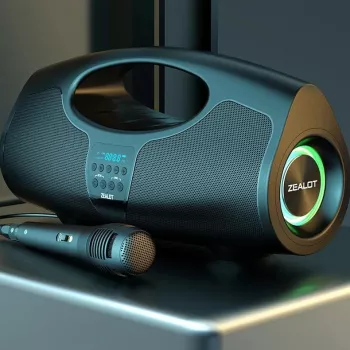
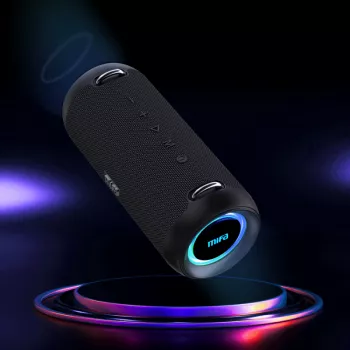
If you’re building a compact care kit for travel or quick bathroom organization, pairing tools can help. Consider adding a reliable charger like the 120W Fast Charging Power Bank 50000mAh for Samsung for trips, or a small audio option such as the 20W Portable Bluetooth Speaker for a streamlined on-the-go setup.
FAQ
Can an ultrasonic cleaner be used on eyeglasses with coated lenses?
Use caution and check any care guidance from the eyewear provider first. Stick to mild solution and short cycles, rinse thoroughly, and stop immediately if you notice hazing, peeling, or coating changes.
Is ultrasonic cleaning safe for pearls, opals, or turquoise?
Generally no. Pearls and porous or softer stones can be damaged by vibration or liquid exposure, so gentle hand cleaning is usually the safer option.
How often should makeup brushes be cleaned in an ultrasonic cleaner?
It depends on how often they’re used; frequently used brushes benefit from regular light cleaning. Keep cycles very short, avoid soaking the ferrule/handle area, and always rinse thoroughly and air-dry completely.




Leave a comment